Best Time to Visit Cebu: Weather, Seasons & Travel Guide
Knowing the best time to visit Cebu is crucial if you are planning a trip to this beautiful island in the Philippines. Situated near the equator and on the western edge of the Pacific region, Cebu island has two major weather seasons: dry and wet seasons.
December to May is Cebu’s dry season. It’s when most travelers should aim to go. Skies are clearer, seas are calmer, and the island’s biggest festival, Sinulog, falls right in January. June to November is Cebu’s wet or rainy season. It’s when the island experiences more rainfall and becomes prone to typhoons.
However, Cebu doesn’t shut down in the rain the way some destinations do. Likewise, it doesn’t instantly turn into a postcard the moment December hits. What changes, month to month, is the likelihood of a good beach day, not a guarantee.
In this Cebu Finds guide, learn how to map out your itinerary according to Cebu’s weather, dry and wet months, typhoon season, peak and off-peak times, and the much anticipated Sinulog Festival.
⚡️ Quick answer: Visit Cebu between January and May for the most reliable weather, calmer seas, and consistent conditions for outdoor activities. December is a reasonable shoulder-season alternative with lower rain risk than mid-year. June to November brings lower prices and fewer crowds, but also higher rainfall and real typhoon risk, particularly August through November.
Cebu’s Dry and Wet Seasons at a Glance

According to PAGASA (Philippine Atmospheric, Geophysical and Astronomical Services Administration), the Philippines’ national weather agency, Cebu sits under a “Type III” climate classification that follows the country’s two primary seasons: the dry season from December to May and the wet (rainy) season from June to November.
|
🌞 Dry season (Dec–May) |
☔️ Wet season (Jun–Nov) |
|
|
Typical daytime temps |
29–33°C (84–91°F) |
28–31°C (82–88°F) |
|
Rainfall pattern |
Short, infrequent showers |
More frequent, sometimes sustained rain |
|
Humidity |
Lower, more comfortable |
Higher, muggier |
|
Sea conditions |
Calmer, better visibility |
Choppier, especially Jun–Aug |
|
Typhoon exposure |
Minimal |
Elevated, particularly Aug–Nov |
Cebu’s driest stretch runs roughly February through April, when monthly rainfall drops well below what you’d see in July or December. May tends to be the hottest month of the year, with daytime highs regularly pushing past 32°C, so always stay hydrated and wear your sunscreen!
Cebu Weather by Month
If we break Cebu’s weather even further for each month, here’s how it would look like.
Note: Use this only as a planning reference, not gospel. Island weather can shift very fast, and no monthly average tells you what a specific week will look like.
|
Month |
Feel |
Rainfall |
Notes |
|
January |
Warm, dry |
🌤️ Low-moderate |
Sinulog Festival; comfortable sightseeing weather |
|
February |
Warm, dry |
🌞 Low |
One of the driest, most reliable months |
|
March |
Hot, dry |
🌞 Low |
Great diving and island-hopping conditions |
|
April |
Hot, dry |
😎 Lowest of the year |
Best for whale sharks and canyoneering | Peak heat; hydrate accordingly |
|
May |
Hottest, still dry |
🥵 Low |
Last strong month before the shift to wetter weather |
|
June |
Hot, humid |
☁️ Rising |
Southwest monsoon begins to influence rainfall |
|
July |
Warm, humid |
☔️ High |
Frequent afternoon showers; still very swimmable |
|
August |
Warm, humid |
⛈️ High |
Typhoon-watch season begins in earnest |
|
September |
Warm, humid |
⛈️ High |
Similar pattern to August |
|
October |
Warm, humid |
☔️ High |
Northeast monsoon influence starts to build |
|
November |
Cooling slightly |
☔️ High |
Shoulder month; rain and typhoon risk still present |
|
December |
Cooler, drier |
🌦️ Moderate |
Dry season returns; holiday crowds pick up |
Rainy Season in Cebu (June–November)
“Rainy season” in Cebu rarely means all-day downpours — it more often means a bright morning, a heavy hour-long shower in the afternoon, and clear skies again by evening. The wettest stretch typically falls between July and October, when rainfall totals climb noticeably above the dry-season baseline.
If your travel dates only line up with the wet season, don’t scrap the trip. These months are still workable for a trip than the word “rainy” suggests, especially if your itinerary has some flexibility built in.
Where it does matter more is on water-based activities in Cebu. Boat trips to Malapascua or Bantayan can get bumpier, snorkeling visibility drops after heavy rain runoff, and island-hopping tours are more likely to reroute or reschedule around bad weather.
📣 Tip: If your trip is built around diving, snorkeling, or island crossings, the dry season buys you more reliable conditions. If it’s built around city sights, food, and culture, the wet season barely changes the plan.
Typhoon Season and Travel Risk
Cebu sits in the central Visayas, which gives it more shelter from direct typhoon hits than northern Luzon or the eastern Visayas get. However, that’s not the same as immunity.
The Philippines’ broader typhoon season runs from roughly June through December, with activity concentrated between August and November, and even storms that pass well north or south of Cebu can disrupt inter-island ferries and domestic flights.
📣 Tip: If you’re traveling between August and November, check PAGASA’s tropical cyclone bulletins in the days leading up to your trip, build a buffer day into any inter-island itinerary, and hold off on booking non-refundable island-hopping tours until closer to your dates.
Peak Season, Off-Peak Season, and the Sinulog Festival
December through May is generally considered Cebu’s peak season for both tourism and pricing. Besides offering some of the year’s best weather, this period is also the busiest due to the holiday season and Sinulog Festival.
Expect higher hotel rates, more competition for flights, and fuller crowds — especially around the holidays and again in January, when Sinulog draws visitors from across the country and abroad.
June through November is Cebu’s off-peak season for obvious reasons. Rain is more likely, but so is a smaller crowd. It could mean a quieter Kawasan Falls, or a shorter line for the ferry to Malapascua. These months are particularly attractive for travelers looking for cheaper flights and better value on accommodation.
📣 Tip: If your travel dates are flexible and you’d rather trade a few chances of rain for smaller crowds and lower costs, the shoulder and off-peak months are genuinely worth considering — not a consolation prize, just a different trade-off.
Sinulog Festival (January)
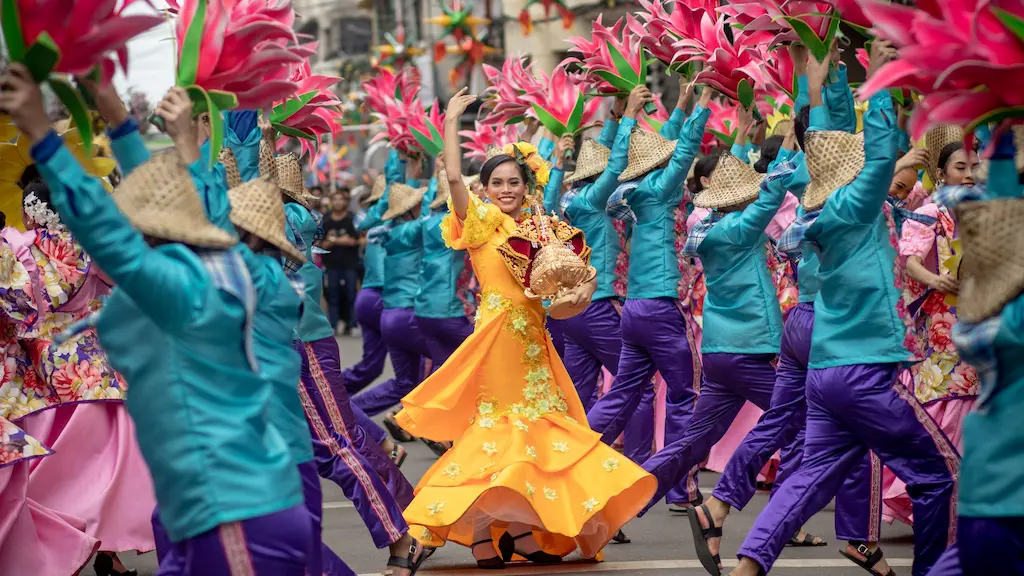
Sinulog is Cebu City’s biggest event of the year: a street festival and religious procession honoring the Santo Niño, held every third Sunday of January. Sinulog 2027 falls on January 17, with related events building for roughly a week beforehand and continuing for a few days after.
For any culture enthusiast who wants to experience it, this is one of the most vivid cultural events in the Philippines — drumbeats, elaborate costumes, and a genuinely massive crowd filling downtown Cebu City.
📣 Tip: If you’d rather avoid the crowds and price spikes entirely, plan your trip for a different week in January or push into February, which keeps the dry-season weather without the festival-driven surge in demand.
Best Time to Visit Cebu by Travel Style
The “best” time shifts depending on what you’re actually in Cebu to do. Here’s how that plays out across the province’s most common trip types.
Best Time for Beach Resorts and Island Hopping
Aim for December through May. Calmer seas and clearer skies make boat crossings to Bantayan, Malapascua, and the smaller islands off Mactan more comfortable and more reliable, and you’ll get better underwater visibility for snorkeling. March and April, in particular, tend to offer some of the driest, calmest conditions of the year.
Best Time for Whale Shark Watching in Oslob
Whale shark interactions in Oslob run year-round, so this is one of the few Cebu experiences that isn’t strongly season-dependent. That said, sea conditions during the dry season tend to be calmer for the short boat ride out, and clearer water generally makes for a better view once you’re in it.
Worth noting, separately from timing: this is one of the more debated wildlife encounters in the Philippines, given questions around feeding practices and their effect on the sharks’ natural behavior. It’s worth reading up on the debate before deciding whether it fits how you want to travel.
Best Time for Canyoneering in Kawasan Falls
Dry season isn’t just more comfortable here — it’s a genuine safety consideration. Heavy rain upstream raises water levels and current speed along the canyoneering route, which affects both how the activity runs and how safe it is on a given day. If canyoneering at Kawasan is a priority for your trip, book it for the dry months (December–May) rather than treating the date as flexible.
Best Time for Cebu City Tours
Cebu City can be toured comfortably almost any time of year, since heritage sites, museums, and food stops don’t depend on calm seas or clear water the way island excursions do — but December through May still edges out the rest for pure walkability.
The dry months mean less risk of getting caught in an afternoon downpour between stops at Fort San Pedro, the Basilica del Santo Niño, or Magellan’s Cross, and the lower humidity makes exploring on foot noticeably more pleasant.
📣 Tip: If you’re touring during the wet season, it’s a minor adjustment rather than a real obstacle: build a little flexibility into the day, keep a rain jacket handy, and treat any sudden shower as a good excuse to duck into a nearby café or heritage site you hadn’t planned on.
Best Time to Visit Cebu with Family or Kids
The dry season’s steadier weather makes it easier to plan a day around outdoor activities without a rain-driven reshuffle, which matters more with kids in tow. The trade-off is that peak months bring bigger crowds at family-friendly spots like Cebu Ocean Park or Mactan’s resort beaches, particularly around the local school holidays that overlap with the December–January window.
If avoiding crowds matters more to your family than guaranteed sunshine, the quieter shoulder months (June, September, or early November) are worth a look.
Does the Best Time Change by Region? North Cebu, South Cebu, and Cebu City
Cebu is a long, narrow island, and its weather isn’t perfectly uniform from tip to tip. Broadly, southern Cebu — Moalboal, Oslob, Badian — and the far north — Malapascua, Bantayan — can each pick up slightly different rainfall patterns than Cebu City depending on the month and which monsoon is dominant, since local terrain and coastal exposure shape how storms move through.
In practice, this means the province-wide dry/wet split is a solid starting point, but it’s not gospel for every corner of the island. If you’re headed south for canyoneering or diving, or north for island-hopping, it’s worth checking a short-range forecast for that specific area a few days out rather than relying solely on the general Cebu-wide pattern.
How Many Days Do You Need in Cebu?
For a trip that covers Cebu City’s heritage sites plus one or two day trips south or north, five to seven days gives you enough room to actually enjoy the pace rather than rush it. Three to four days works if you’re keeping things tight — Cebu City plus a single excursion, like Kawasan Falls or Oslob.
📣 Tip: In the dry months, a shorter trip is lower-risk, since you’re less likely to lose a day to weather. In the wet season, building in an extra day or two of buffer gives you room to reschedule a boat trip or canyoneering session if conditions turn on the day you’d planned for it.
Best Time to Visit Cebu vs. the Rest of the Philippines
Cebu’s dry season, December to May, lines up closely with Boracay’s and Palawan’s, since all three sit under similar monsoon patterns. If you’re deciding between Cebu and Palawan for the same travel dates, weather generally isn’t the deciding factor. Terrain, itinerary style, and what you want out of the trip should carry more weight.
Siargao is the outlier. Its famous surf season peaks from August to November, precisely when Cebu’s weather is at its least reliable, since the Southwest monsoon swells that make Siargao’s waves worth chasing are the same weather system that brings Cebu’s rain. If a trip spans both islands, this timing conflict is worth planning around.
Frequently Asked Questions (FAQs)
When is the best month to visit Cebu?
February and March are generally considered Cebu’s best months. Both fall within the dry season, offer manageable heat compared to April and May, and come with moderate crowds and pricing rather than peak-season rates.
What is the rainiest month in Cebu?
July is Cebu’s rainiest month on record, averaging 210.6 mm of rainfall based on PAGASA’s 1991–2020 climatological normals for the Mactan station. October is a close second at 207.6 mm. Rainfall tends to peak somewhere in the July–October stretch, when the southwest monsoon and, later, storm activity are most active.
Is it okay to visit Cebu in July?
Yes, with caveats. July brings frequent rain and is Cebu’s wettest month, so outdoor activities like canyoneering may be cancelled on short notice. Flights and hotels are cheaper, and crowds are thinner, making it workable for flexible, budget-conscious travelers.
Is April a good time to visit Cebu?
Yes. April is Cebu’s driest month, with reliable sunshine ideal for whale sharks, canyoneering, and beach days. It’s also hot and coincides with summer break, so expect higher temperatures, bigger crowds, and higher prices.
Is December a good time to visit Cebu?
Yes. December is a solid shoulder-season option, with rainfall trending down from the September–October peak. The main drawback is crowding and higher prices around Christmas and New Year, driven by heavy domestic and overseas travel.
Is Cebu safe to visit during typhoon season?
Cebu can be visited safely during typhoon season with the right precautions, though risk is real, particularly from August to November. Travel insurance with named-storm coverage, flexible bookings, and monitoring forecasts close to departure all reduce the risk of a disrupted trip.
Is Bohol worth a day trip from Cebu?
Bohol is a popular day trip from Cebu via fast ferry, typically covering the Chocolate Hills, tarsier sanctuary, and Loboc River in a single long day. It’s workable, though an overnight stay allows a less rushed pace if your schedule allows it.
Finding Your Best Time to Visit Cebu
The best time to visit Cebu ultimately comes down to what you’re willing to trade. Choose December through May and you get calmer seas, drier days, and Sinulog’s energy — along with the crowds and higher rates that come with all of it. Choose the wetter months and you trade some sunshine for quieter beaches, better rates, and a Kawasan Falls without a line. Neither choice is wrong; they’re just different trips wearing the same island.
What matters more than the calendar is matching your dates to what you’re actually here for — a canyoneering trip needs the dry season in a way a food crawl through Cebu City never will.
Once you’ve settled on your dates, the planning that follows gets a lot easier. Our guide to where to stay in Cebu breaks down the island’s best areas for first-time visitors, so you can pick a base that fits your season — whether that’s staying closer to Cebu City for easy rainy-day options or basing near the coast for dry-season beach access. And once your dates and stay are locked in, our roundup of things to do in Cebu can help you build out the rest of the itinerary around whatever window you’ve chosen.