
20 Best Delicacies in Cebu & Pasalubong to Bring Home
Back in the early 2000s, my grandmother worked in the city, and every Friday night, she would come home with bags of snacks for us to enjoy throughout the weekend. There would be chicharon, ampao, and otap—classic delicacies in Cebu that many of us grew up loving.
Now that I’m 27, I find myself doing the same for my young nieces. Many years have passed, but our love for Cebu pasalubong remains the same.
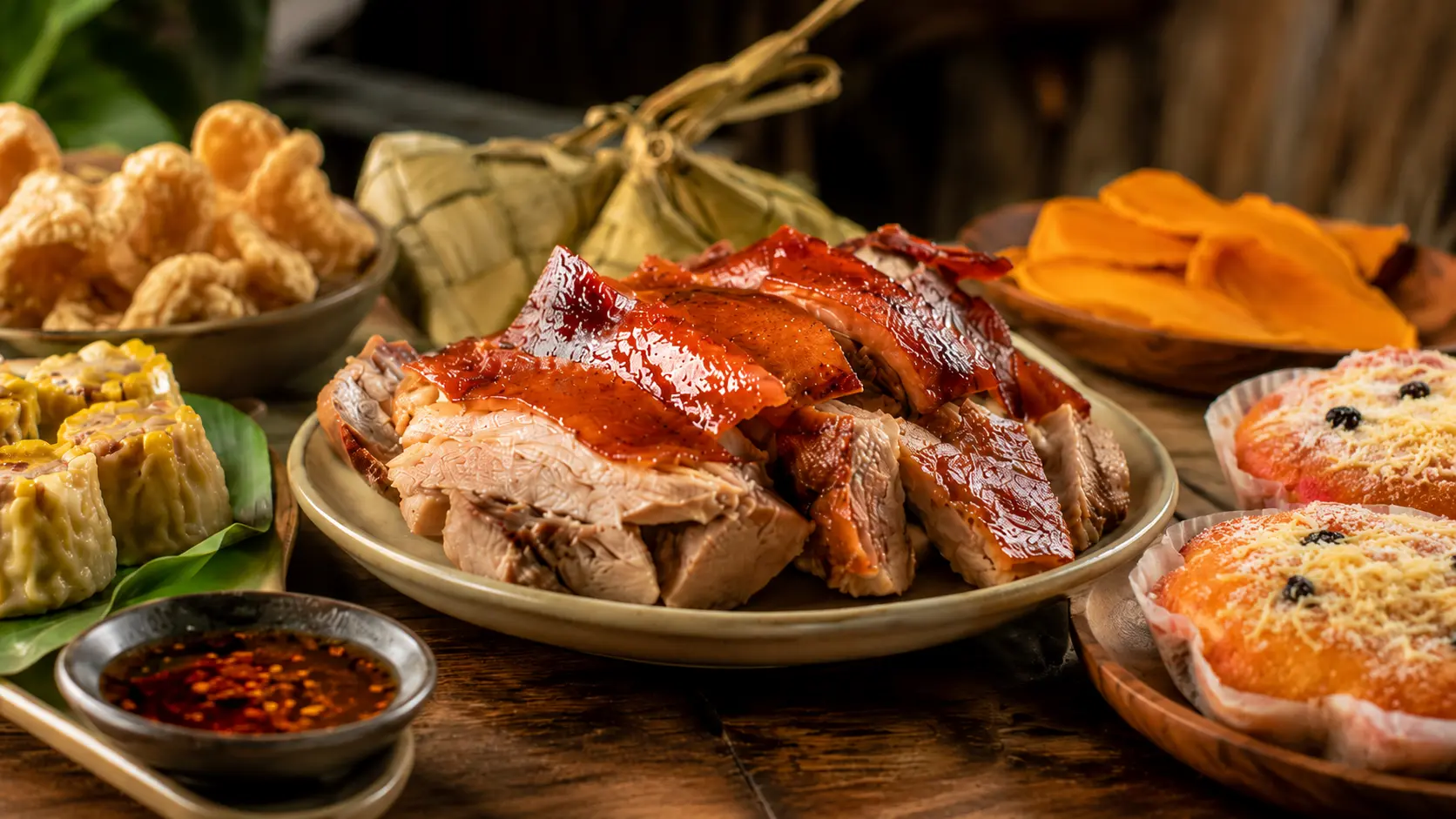
In this Cebu Finds guide, I will be proudly sharing some of the most beloved Cebu delicacies, from must-try favorites like Cebu lechon and chorizo de Cebu to take-home treats like dried mangoes and Carcar’s chicharon. Seek them out on your trip to Cebu, and get a taste of our local flavors!
Quick Guide to the Best Delicacies in Cebu
Here’s a quick look at our must-try foods and the best Cebu pasalubong (food souvenirs) to bring home.
|
Best for |
Cebu Food to try |
|---|---|
|
Most famous delicacy in Cebu |
Cebu lechon |
|
Best street food experience |
Siomai sa Tisa, ngohiong, puso, barbecue |
|
Best sweet pasalubong from Cebu |
Dried mangoes, otap, rosquillos, masareal |
|
Best savory pasalubong |
Chicharon, danggit, dried pusit |
|
Best market stop |
Taboan Public Market |
|
Best southern Cebu food stop |
Carcar |
|
Best northern Cebu pasalubong |
Rosquillos from Liloan |
|
Best easy-to-pack food souvenir |
Dried mangoes, otap, rosquillos |
Savory Cebuano Dishes and Street Food
As a local, one thing I find fascinating about Cebuano food is how it blends native flavors with layers of Malay, Chinese, Spanish, and American influences. Over time, these cultural roots helped shape the vibrant and flavorful Cebuano cuisine we know today.
If it’s your first time in Cebu, don’t miss the chance to try our main savory dishes plus our street food. Indulge in an irresistible burst of mouthwatering flavors—salty, sweet, sour, and spicy in every bite.
1. Cebu Lechon
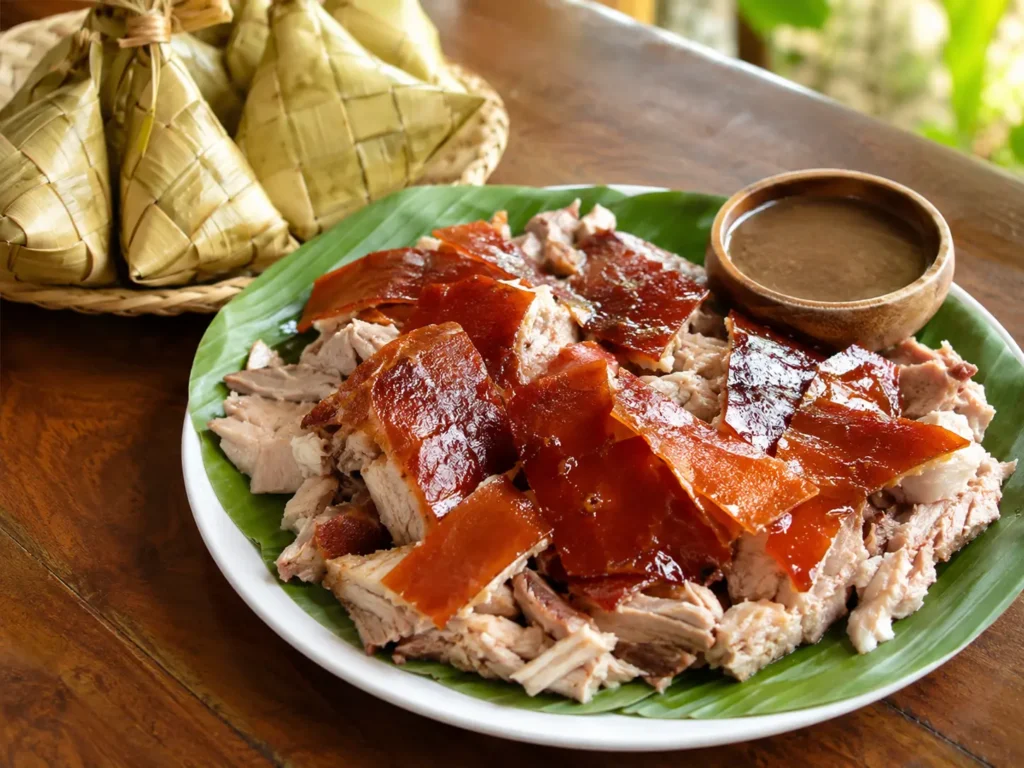
Cebu lechon is considered the most famous delicacy in Cebu and one of the island’s biggest food icons. It is roasted whole pig known for its crispy skin, flavorful meat, and rich seasoning. Unlike some versions of lechon that rely heavily on sauce, Cebu lechon is usually flavorful enough to enjoy on its own.
For many visitors, a Cebu trip does not feel complete without trying lechon at least once. It is a staple often served during birthdays, fiestas, reunions, and special gatherings. You can also find it in restaurants, lechon houses, food stalls, and markets around Cebu.
- Best for: First-time visitors, group meals, celebrations, and food trips
- Where to try it: Cebu City lechon restaurants such as Rico’s Lechon and House of Lechon, Carcar restaurants, local lechon stalls, and some malls
- Local tip: Best paired with puso, or hanging rice, for a more local Cebuano-style meal.
2. Cebu Barbecue
Cebu barbecue is a local comfort food favorite. You can always find grilled pork, chicken, liver, chorizo, seafood, and other skewered items in the streets of Cebu. The smoky flavor, sweet-savory marinade, and casual dining setup make it a go-to food spot for both locals and visitors.
One of the most popular ways to enjoy it is with puso and a dipping sauce made with soy sauce, vinegar, calamansi, chili, and onions.
- Best for: Dinner, barkada meals, casual food trips
- Where to try it: You can actually find roadside bbq grill stalls everywhere! Check out Sugbo Mercado as well in IT Park.
- Local tip: Barbecue is best enjoyed hot off the grill, especially with puso. Finish it off by your favorite soft drink. Mine would be Pepsi!
3. Siomai sa Tisa
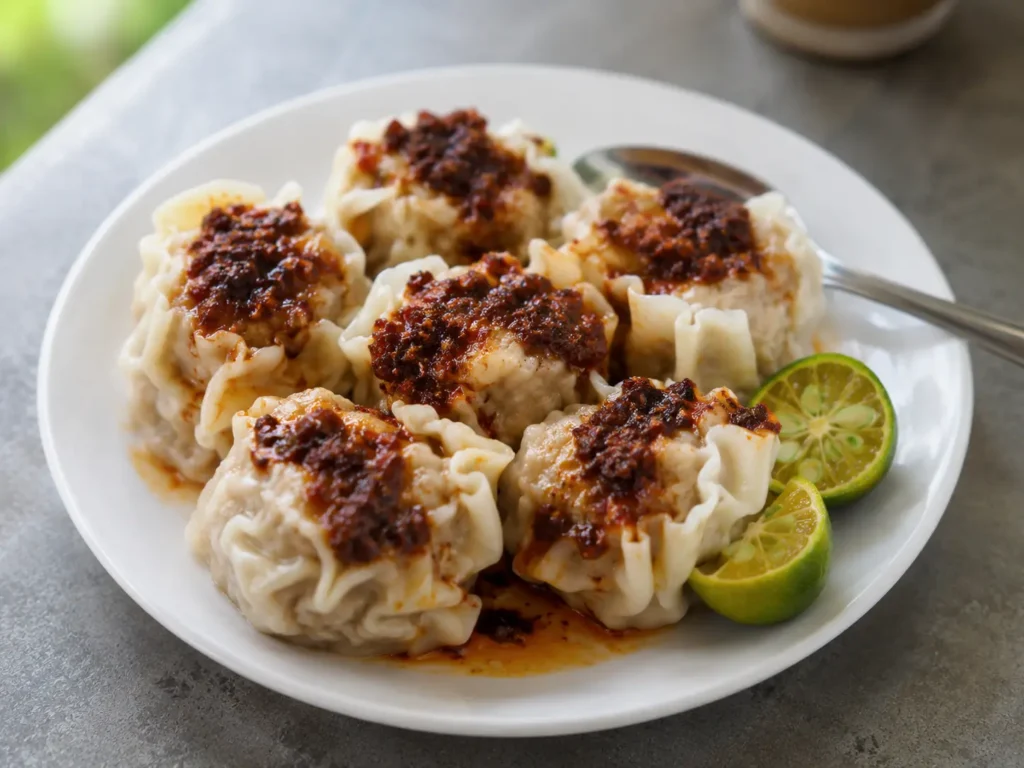
Siomai sa Tisa is one of the most popular street food experiences in Cebu City. Tisa is known for affordable siomai served with rice, chili-garlic sauce, soy sauce, and calamansi. It is simple, filling, and deeply loved by students, workers, and locals looking for a budget-friendly meal. This actually reminds me of my college days. Me and my friends would casually go to Tisa whenever we crave for a delicious siomai.
While siomai itself is not originally from Cebu, the Tisa-style siomai experience has become part of local Cebu food culture. If you are looking for food in Cebu that feels casual and local, this is one of the easiest dishes to try.
- Best for: Budget meals, late-night cravings, casual food trips
- Where to try it: Tisa, Cebu City and siomai stalls around the city
- Local tip: Add chili-garlic sauce gradually if you are not used to spicy food.
4. Ginabot
Ginabot is a popular Cebuano street food made from deep-fried pork intestines or pork innards, cooked until crispy and golden. It is often compared to chicharon bulaklak, but in Cebu, ginabot has its own street food identity and is commonly enjoyed with puso and spiced vinegar.
It is crunchy, savory, and flavorful, making it a favorite among locals who enjoy bold street food. Ginabot is usually sold in pungko-pungko stalls, where diners sit low, choose fried items from a tray, and eat casually with hanging rice.
- Best for: Adventurous foodies, street food lovers, pungko-pungko experience
- Where to try it: Pungko-pungko sa Fuente, Cebu City street food spots, local eateries
- Local tip: Eat it while it is still hot and crispy, and dip it in spiced vinegar to balance the richness.
5. Ngohiong
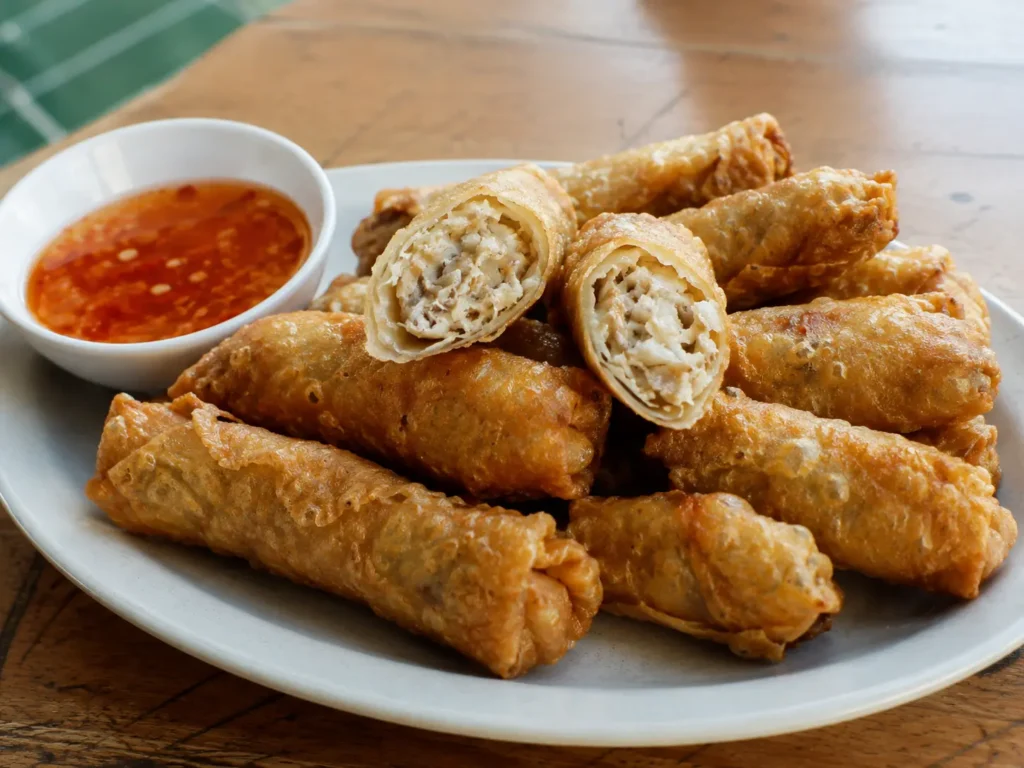
Ngohiong is a Cebuano favorite that looks similar to a fried spring roll, but it has its own distinct flavor. It is usually filled with vegetables and seasoned with five-spice flavors, then deep-fried until crisp. It is commonly served with a thick, sweet-spicy sauce.
This is one of the best foods in Cebu to try if you enjoy crunchy, savory snacks. It is affordable, easy to find, and perfect as a quick bite during a food trip. This is also one of my go-to budget meals during my college days, delicious and affordable!
- Best for: Snacks, budget meals, street food lovers
- Where to try it: Pungko-pungko stalls, Chinese Ngohiong eatery (my personal favorite), and other local carenderias
- Local tip: The sauce makes a big difference, so try it the local way instead of eating it plain. Chinese Ngohiong has the best sauce I have ever tasted!
6. Chorizo de Cebu
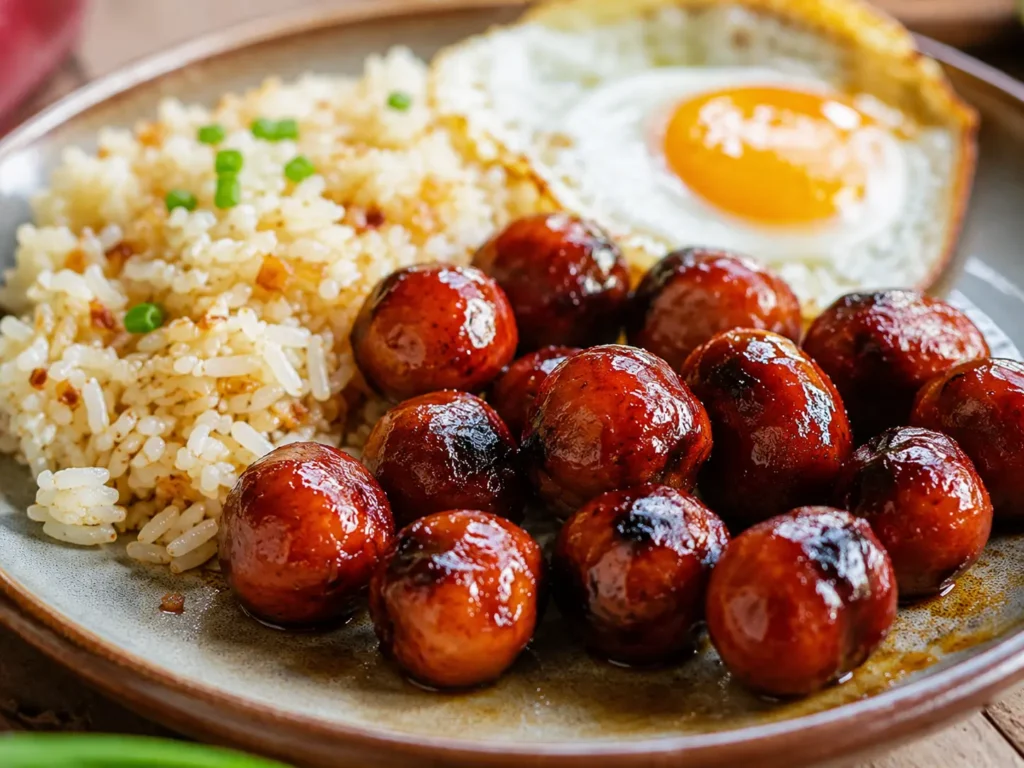
Chorizo de Cebu is a sweet and savory local sausage often grilled over charcoal, or fried using its own oil. It has a rich sweetness and garlicky flavor and pairs well with puso or plain rice. You may find it at barbecue stalls, markets, and local eateries.
This is a great Cebu food to try if you enjoy bold, slightly sweet Filipino-style sausages. It is also commonly served as part of a hearty breakfast meal to perfectly start your day.
- Best for: Grilled meals, breakfast, barbecue nights
- Where to try it: Barbecue stalls, public markets, supermarkets, and local eateries
- Local tip: Try it grilled rather than fried if you want a smokier flavor.
7. Tuslob Buwa
Tuslob buwa is one of Cebu’s most unique street food experiences. The name roughly refers to “dipping into bubbles,” which describes how diners dip puso into a hot, bubbling mixture commonly made with pork brain, liver, oil, and seasonings.
This dish is not for everyone, but it is one of the most memorable foods in Cebu for adventurous eaters. It is social, affordable, and best experienced with a group.
- Best for: Adventurous foodies and group food trips
- Where to try it: Cebu City street food spots and specialty tuslob buwa eateries
- Local tip: Go with someone local if it is your first time so you know how to enjoy it properly.
8. Sutukil (Sugba, Tuwa, Kilaw)
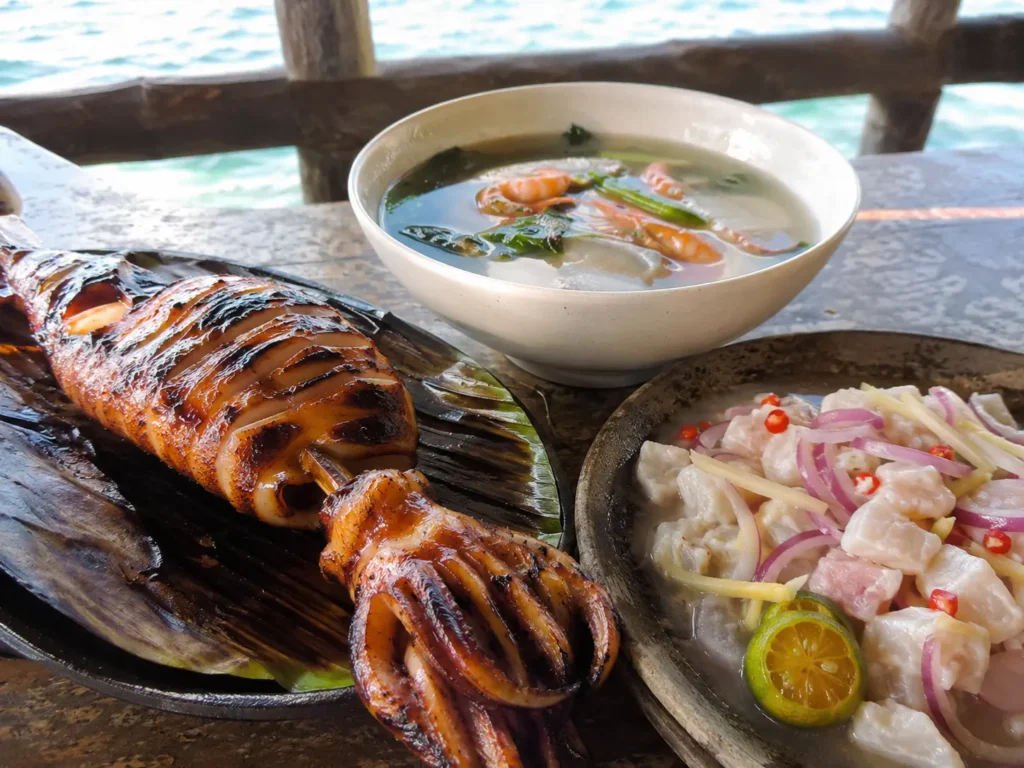
Sutukil is a Cebuano food experience that combines three cooking styles: sugba, tuwa, and kilaw. Sugba means grilled, tuwa refers to soup or stew, and kilaw is a local raw seafood preparation similar to ceviche.
This is especially popular in seafood areas, including parts of Mactan, and southern Cebu. If you love seafood, sutukil is one of the best food experiences to add to your Cebu itinerary.
- Best for: Seafood lovers, group meals, Mactan or South Cebu food trips
- Where to try it: Mactan seafood restaurants and local seafood eateries
- Local tip: Ask what seafood is fresh for the day before ordering.
Sweet Cebuano Treats and Kakanin
Cebu’s food culture is known for more than just savory dishes, grilled meats, and street food. The island also boasts a rich selection of native delicacies in Cebu, from sweet local treats to traditional kakanin (rice cakes) that are perfect for merienda, family gatherings, and pasalubong. These sweets beautifully showcase the softer side of Cebuano food traditions.
9. Hopia
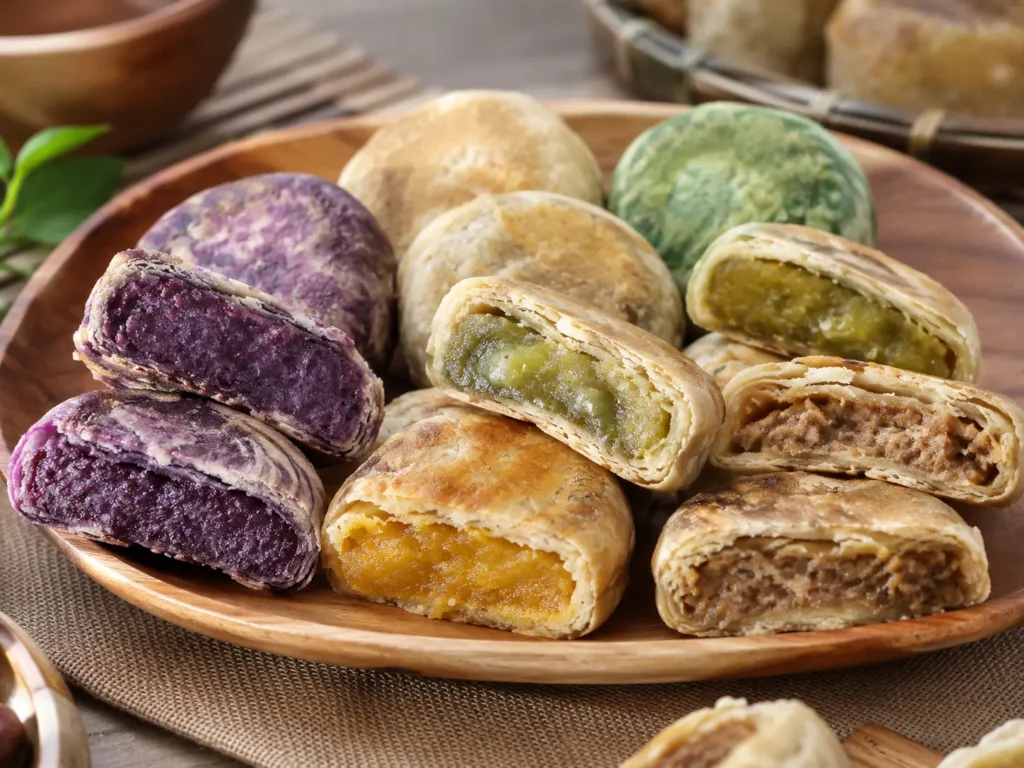
Hopia is a flaky pastry with sweet filling, often enjoyed as a snack or merienda. While hopia is not entirely exclusive to Cebu, we have local bakeries and pasalubong shops that sell versions like ube, monggo, pandan, mango, yema, and hopia baboy. It is also a practical pasalubong choice because it is easy to pack, affordable, and good for sharing.
- Best for: Merienda, sweet pasalubong, office snacks, family gifts
- Where to buy: Cebu bakeries, pasalubong centers, supermarkets, and local snack shops
- Local tip: Choose boxed hopia if you are bringing it home, since it travels better than loosely packed pastries.
10. Pintos
Pintos is a steamed sweet corn delicacy strongly associated with Bogo City in northern Cebu. It is commonly made with grated young corn mixed with milk, butter, and sugar, then wrapped in corn husks and steamed. Because of its soft texture and natural corn sweetness, pintos is best enjoyed fresh, especially when you are visiting northern Cebu.
- Best for: Native delicacy lovers, northern Cebu food trips, merienda
- Where to buy: Bogo City, local markets, food stalls, and pasalubong shops in northern Cebu
- Local tip: Pintos is better eaten fresh than stored for a long time, so buy it when you are ready to eat or bring it home soon.
11. Bingka Dawa
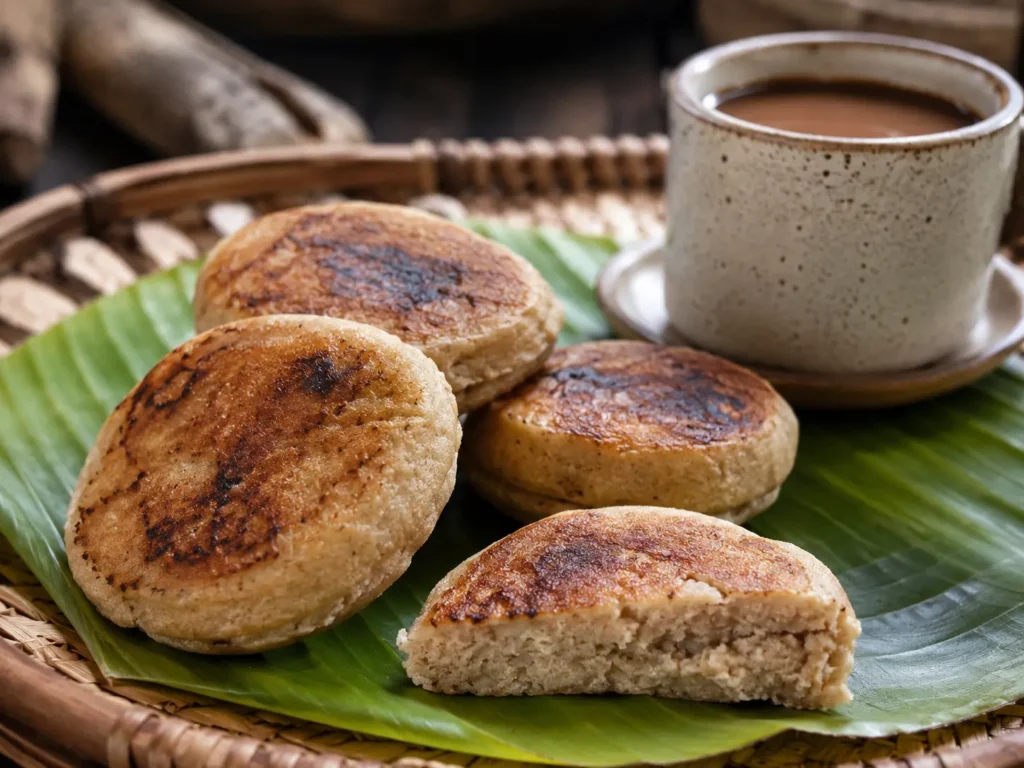
Bingka dawa is a millet-based rice cake associated with Asturias, Cebu. Unlike the more common bingka or bibingka made with glutinous rice, bingka dawa uses dawa, or millet, which gives it a distinct texture and local character. Some versions are cooked with charcoal and coconut husk, giving it a more traditional native delicacy feel.
- Best for: Native kakanin lovers, traditional Cebu delicacies, merienda
- Where to buy: Asturias, local markets, roadside food stalls, and native delicacy sellers
- Local tip: Eat it warm if possible. Bingka dawa is best enjoyed fresh, especially with coffee, sikwate, or another hot drink.
12. Budbod Kabog
Budbod kabog is also a millet-based rice cake wrapped in banana leaves. It is especially associated with Catmon in northern Cebu and is one of the more traditional delicacies in Cebu. Its local festival is named after it: “Budbod Kabog Festival” honoring the roots of the delicacy. Budbod means the sticky rice delicacy, and kabog which is the plant, a type of wild millet that grows in the mountainous areas of Catmon.
It is usually simple, lightly sweet, and filling. If you enjoy native delicacies and kakanin, budbod kabog is worth trying when you find it.
- Best for: Native delicacy lovers, breakfast, merienda
- Where to buy: Catmon, local markets, native delicacy stalls
- Local tip: It is best eaten fresh, so enjoy it during your trip instead of saving it too long as pasalubong.
13. Torta
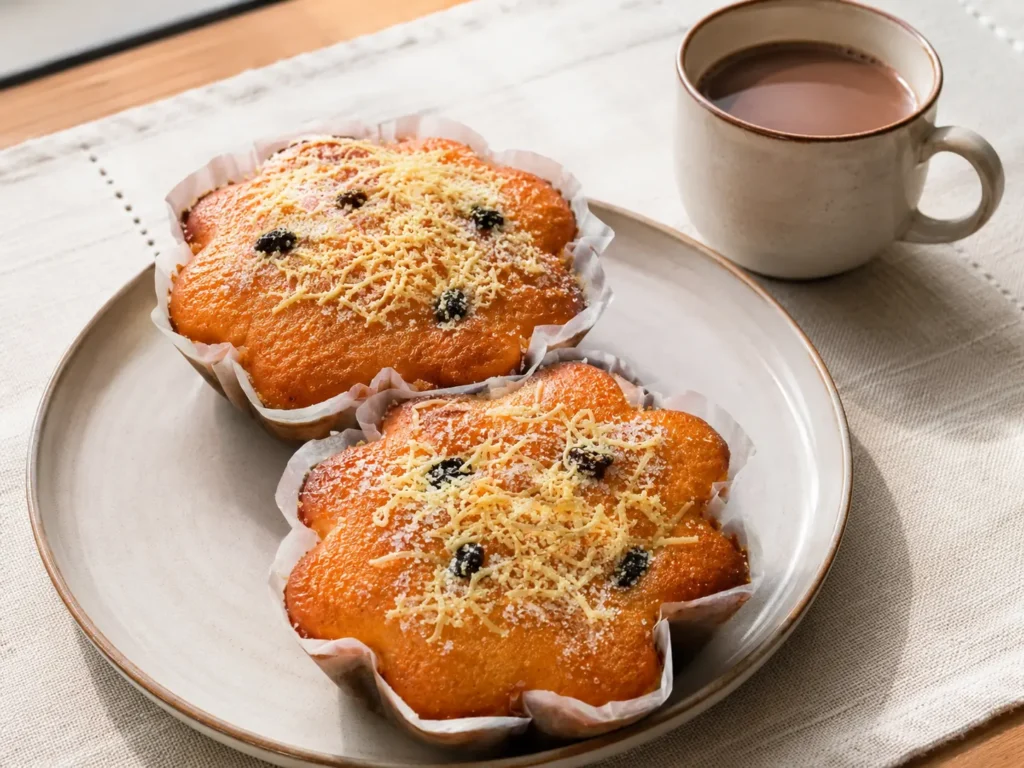
Torta is a soft, spongy, rich native cake commonly associated with southern Cebu, especially Argao. It is often made with flour, sugar, egg yolks, butter, and a special ingredient called tuba (sweet and fermented coconut wine) that gives it a unique aroma and longer shelf life. It has slightly sweet flavor that pairs well with hot drinks.
Argaoanons make the best torta in Cebu, which also inspired them to name their annual town fiesta as “La Torta Festival” to celebrate this local tradition and specialty. If you are exploring southern Cebu, torta is a good food stop to add to your itinerary.
- Best for: Merienda, coffee pairing, southern Cebu food trips
- Where to buy: Argao, local bakeries, pasalubong shops
- Local tip: Torta is best enjoyed fresh, especially with sikwate or coffee.
14. Masareal
Masareal is a Cebuano sweet made with ground peanuts and sugar. It is often associated with Mandaue and is a good pasalubong choice for people who like nutty, sweet treats.
Compared with dried mangoes or otap, masareal may feel more old-fashioned, but that is exactly what makes it special. It has a nostalgic local feel and is worth trying if you want something beyond the usual pasalubong options.
- Best for: Sweet snack lovers, traditional Cebu delicacies, unique pasalubong
- Where to buy: Pasalubong centers, local delicacy shops, selected supermarkets
- Local tip: Pair it with coffee or tea because it can be quite sweet.
Cebu Delicacies Pasalubong (Food Souvenirs)
After exploring savory dishes, sweet treats, and native delicacies in Cebu, it’s time to look at the local favorites that are easiest to bring home. These Cebu pasalubong or food souvenirs are usually packed, sealed, or dried to help preserve their freshness and flavor, making them perfect for sharing with family, friends, and loved ones after your trip.
15. Dried Mangoes
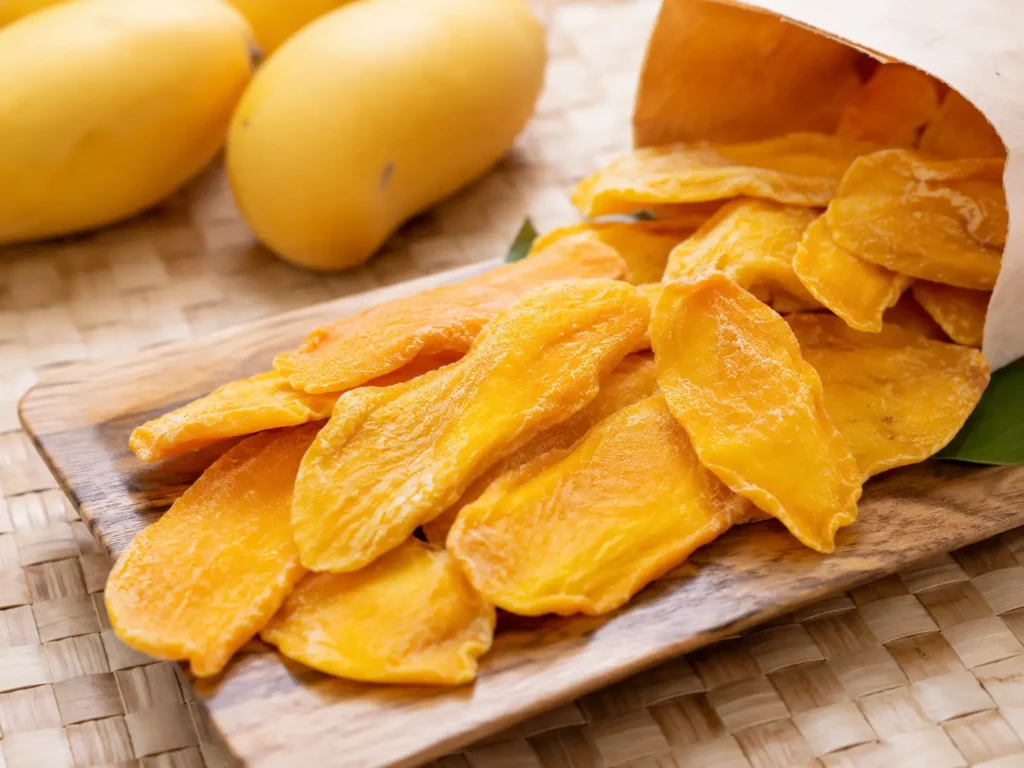
Dried mangoes are one of the most famous Cebu pasalubong items. They are sweet, chewy, easy to pack, and widely available in supermarkets, pasalubong centers, airport shops, and souvenir stores.
If someone asks, “What is Cebu’s famous product?” dried mangoes are usually one of the first answers you will hear. They are simple, travel-friendly, and popular with both local and international visitors.
- Best for: Family, friends, office pasalubong, international gifts
- Where to buy: Supermarkets, pasalubong centers, souvenir shops, airport stores
- Local tip: Buy bigger packs if you are bringing pasalubong for several people.
16. Otap
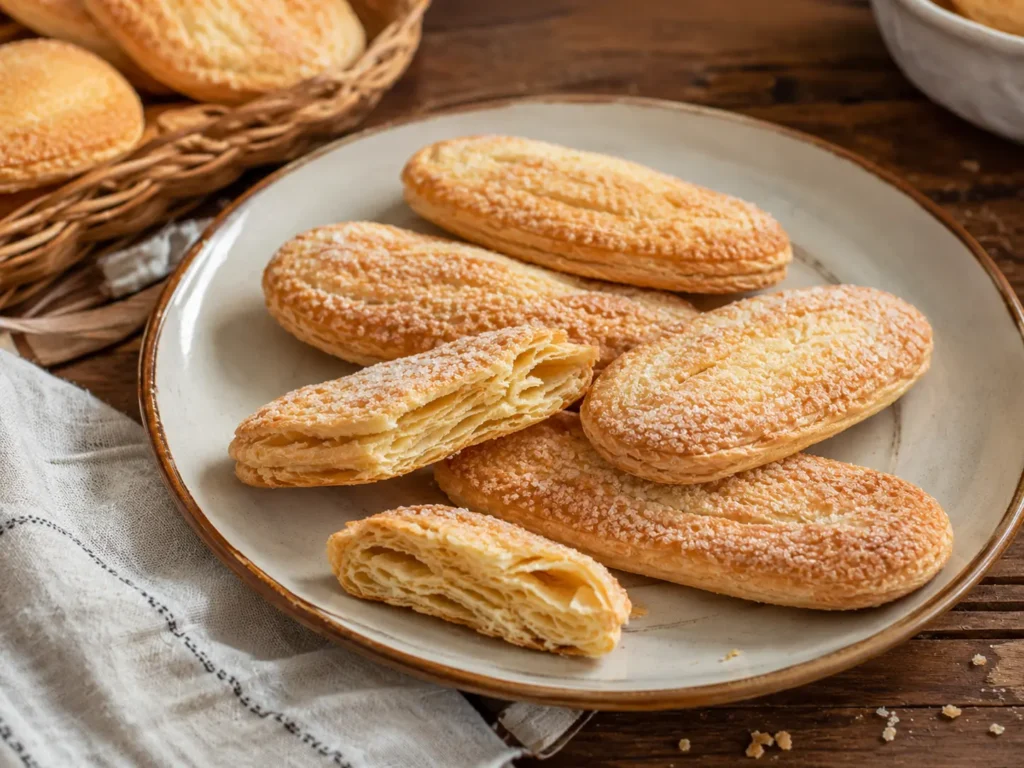
Otap is a thin, oval-shaped puff pastry biscuit that is flaky, sweet, and crisp. It is one of the classic Cebu delicacies that many travelers bring home because it is affordable and easy to share.
It can be messy to eat because of its flaky texture, but that is part of the experience. Otap is best enjoyed with coffee, hot chocolate, or tea.
- Best for: Snack lovers, coffee pairings, easy pasalubong
- Where to buy: Pasalubong centers, supermarkets, bakeries, souvenir shops
- Local tip: Pack it carefully because otap can break easily.
17. Rosquillos
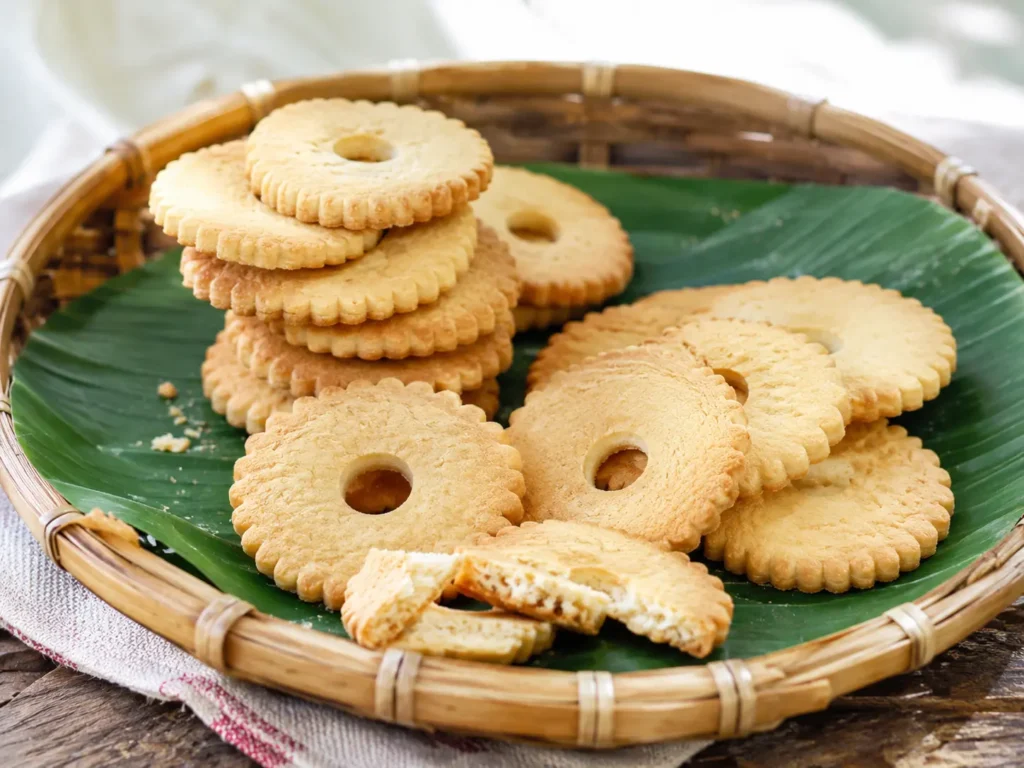
Rosquillos are ring-shaped cookies closely associated with Liloan, Cebu. Their town festival is also named after this specialty, being the “Rosquillos Festival” of Liloan. These cookies are crisp, light, and mildly sweet, making them one of the best pasalubong from Cebu for people who prefer simple snacks.
Rosquillos are also a good choice if you want a Cebu pasalubong that feels more traditional and locally rooted.
- Best for: Traditional pasalubong, light snacks, family gifts
- Where to buy: Liloan, pasalubong centers, supermarkets, souvenir shops
- Local tip: If your itinerary takes you north of Cebu City, consider stopping by Liloan.
18. Chicharon
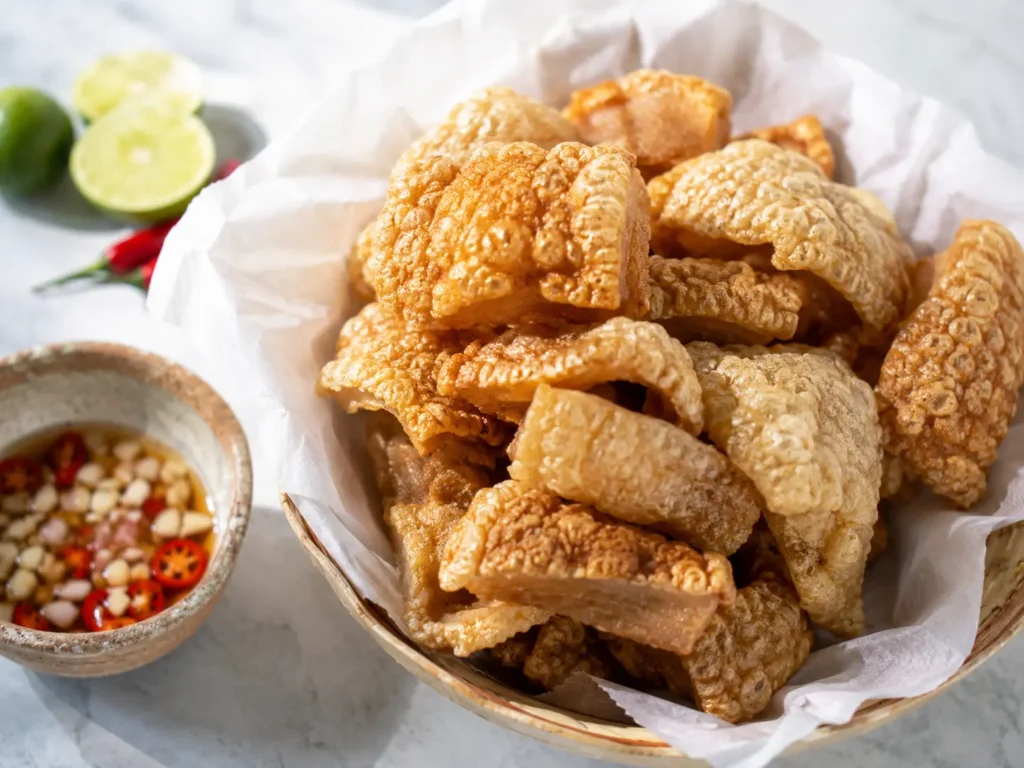
Chicharon is a crunchy pork rind snack, and Carcar is one of the most popular places in Cebu associated with it. It is savory, crispy, and often bought as pasalubong by travelers heading south. You can usually buy three packs of these for as low as 100 PHP. In most stores, you can buy it per kilo, half-kilo (1/2), and even a quarter kilo (1/4).
Carcar chicharon is usually enjoyed with vinegar, making it even more flavorful. It is a good option if you want savory pasalubong from Cebu instead of sweets.
- Best for: Savory snack lovers, pulutan, family pasalubong
- Where to buy: Carcar, pasalubong centers, public markets, selected supermarkets
- Local tip:
Ask the seller about freshness and packaging, especially if you are traveling far. Most of the tour packages in South Cebu will stop by Carcar City’s diversion road going to the city hospital.
There are plenty of stores there where you can buy almost every kind of local delicacies in Cebu. There are restaurants where you can eat Carcar’s lechon, and stalls that sell chicharon, otap, hopia, dried mangoes, torta and many more.
19. Ampao and Bocarillo
Ampao and bocarillo are traditional sweet treats also commonly found in Carcar. Ampao is a light and crispy puffed rice snack with a sweet coating, while bocarillo is a colorful coconut candy made from sweetened strips of young coconut.
Both are popular pasalubong options if you are passing through southern Cebu. Ampao is crisp and airy, while bocarillo is chewy, sweet, and often sold in bright colors, making them easy to spot in local delicacy shops and pasalubong stalls.
- Best for: Light snacks, kids, traditional pasalubong
- Where to buy: Carcar, pasalubong centers, local delicacy shops
- Local tip: Buy it together with chicharon if you are stopping in Carcar.
20. Danggit and Dried Pusit
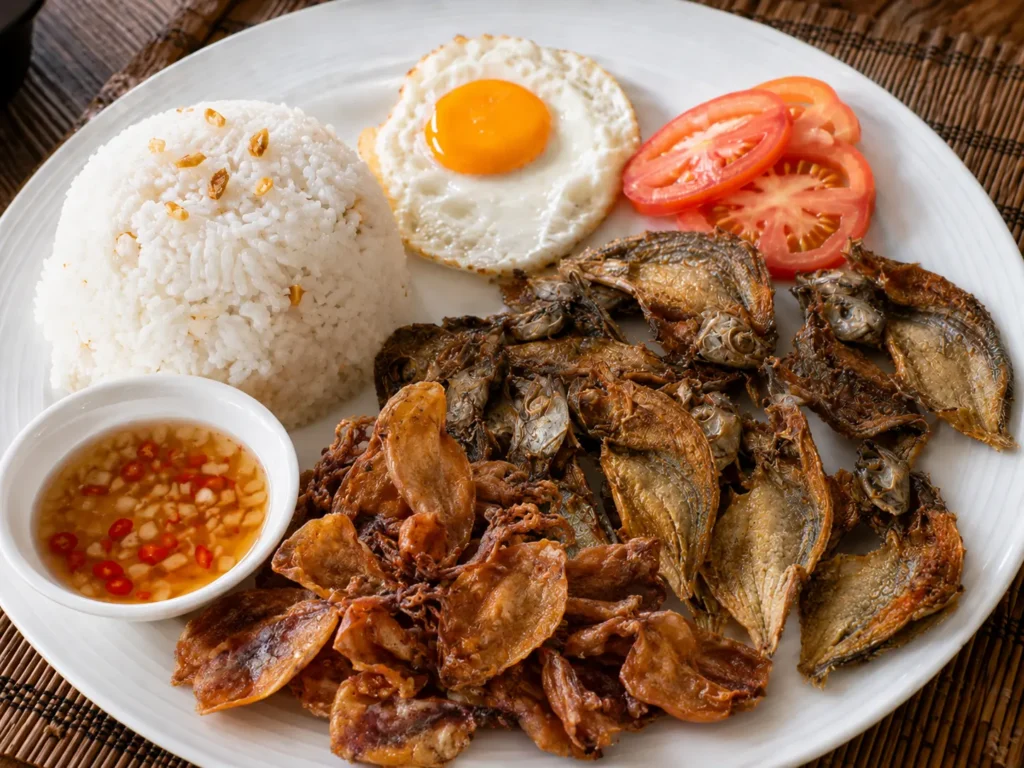
Danggit (rabbitfish) and dried pusit (squid) are two of Cebu’s most popular salted and dried seafood pasalubong items, especially at Taboan Public Market. Both are usually fried until crisp and served with rice, eggs, tomatoes, and vinegar, making them common Filipino breakfast favorites.
Danggit has a lighter, crispier bite, while dried pusit has a stronger flavor and aroma, so it is best for people who already enjoy dried seafood.
- Best for: Filipino breakfast, dried seafood lovers, savory pasalubong, home cooking
- Where to buy: Public markets especially Taboan Public Market, local town markets, pasalubong stores
- Local tip: Ask the vendor to pack them well and keep them sealed tightly, especially if you are placing them in your luggage, because the smell can cling to clothes and bags.
Where to Buy Delicacies in Cebu
There are plenty of places all over Cebu where you can buy our delicacies. The best place will just depend on what you want to bring home and in which part of Cebu you are traveling.
Taboan Public Market
Taboan Public Market in Cebu City is best known for dried seafood, especially danggit and dried pusit. It is one of the most popular stops for travelers looking for savory Cebu pasalubong.
- What to buy here: Danggit, Dried pusit, Other dried fish, Local market-style pasalubong
- Tip: Wear simple clothes and avoid bringing too many fabric items inside the market because the dried fish smell can stay with you.
Carcar
Carcar is one of the best stops for tasting local cuisine and buying food souvenirs if you are traveling to southern Cebu. Some of the popular delicacies here are lechon, chicharon, and ampao. Carcar’s main food stop is located alongside its diversion road going to the city hospital. You can dine in their restaurants there, and choose from plenty of stores selling tons of food souvenirs.
- What to buy here: Carcar lechon, Chicharon, Ampao, and many more!
- Tip: If you are doing a south Cebu itinerary, Carcar is the best food stop before or after heading to places like Moalboal, Badian, or Oslob. Also, based on my experience, choosing which food souvenirs to bring can be overwhelming since there are a lot of options! Better list down what to buy beforehand for more convenience.
Liloan
Liloan is strongly associated with rosquillos, making it a good stop if you are traveling north of Cebu City.
- What to buy here: Rosquillos, Other local baked goods
- Tip: Rosquillos are easy to pack, so they are a practical option for pasalubong.
Supermarkets and Malls
If you do not have time to visit markets or specific towns, supermarkets and malls are convenient places to buy Cebu pasalubong.
- What to buy here: Dried mangoes, Otap, Rosquillos, Masareal, Packaged chicharon, Other local snacks
- Tip: This is the easiest option if you want clean packaging and fixed prices.
Pasalubong Centers
A pasalubong center in Cebu is a convenient stop if you want several local treats in one place. These stores usually carry popular Cebu delicacies, packaged snacks, sweets, dried goods, and souvenir items. The most popular pasalubong centers in Cebu are Shamrock and Islands Souvenirs.
- What to buy here: A mix of Cebu pasalubong, Easy-to-pack food souvenirs, Gift bundles, Last-minute Cebu treats
- Tip: Pasalubong centers are ideal if you are short on time and want everything in one stop.
Airport Shops
Airport shops are the most convenient but usually not the cheapest option. They are helpful for last-minute pasalubong shopping before your flight.
- What to buy here: Dried mangoes, Otap, Rosquillos, Packaged snacks, Easy hand-carry pasalubong
- Tip: Use airport shopping as your backup option, not your main pasalubong plan.
More Tips Before Buying Cebu Pasalubong
Before you buy some delicacies in Cebu as pasalubong, here are more practical tips to remember.
1. Choose pasalubong that travels well
They should be easy to pack, lightweight, and less likely to spoil. Dried mangoes, otap, and rosquillos are the easiest choices. For Filipino breakfast lovers, danggit and dried pusit are great picks, while chicharon is perfect for savory snack fans.
2. Buy dried seafood near the end of your trip
Danggit and dried pusit can have a strong smell, so it is better to purchase them close to your departure date.
3. Ask sellers to seal dried goods properly
If you are buying from a market, ask for extra wrapping or sealed packaging.
4. Check your baggage rules if you are flying
Some food items may need to be checked in, especially if they have a strong smell or oily packaging.
5. Pack delicate snacks carefully
Some treats like otap can break easily, so place it somewhere it won’t get crushed.
6. Bring a mix of sweet and savory treats
Dried mangoes, otap, and rosquillos are great for people who like sweets, while chicharon, danggit, and dried pusit are better for those who enjoy salty and savory food.
Final Thoughts
The best delicacies in Cebu show how rich and varied the island’s food culture really is. Cebu lechon and dried mangoes may be the most popular foods in Cebu, but there are many other flavors worth discovering, from siomai sa Tisa and ngohiong to otap, rosquillos, chicharon, danggit, masareal, and budbod kabog.
If you are putting together your itinerary, exploring the local food scene is easily one of the top things to do in Cebu. But don’t just stick to the usual tourist spots—also try local street food, visit bustling markets, and stop by food towns like Carcar and Liloan before bringing home some authentic Cebu pasalubong. Once you’ve figured out where to stay in Cebu to kick off your adventure, you’ll quickly realize this island is more than just a place to explore. It’s a place to taste, remember, and share.